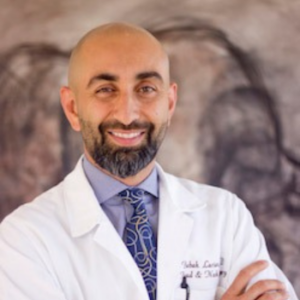
Parathyroid gland surgery can seem scary and feel intimidating, but help is available. At the CENTER for Advanced Parathyroid Surgery in Los Angeles, Babak Larian, MD, FACS, provides patients with the best parathyroid treatments. To determine which treatment is appropriate for a patient, Dr. Larian evaluates his patient and their symptoms. If Dr. Larian views parathyroid surgery as the best option, he creates a custom treatment plan for his patient. Dr. Larian also helps his patient prepare for surgery; that way, the patient knows what to expect during treatment.
When Should You Have Parathyroid Surgery?
Parathyroid surgery can be used to treat a patient dealing with hyperparathyroidism (HPT), a parathyroid tumor, or parathyroid cancer. The goal of surgery: to normalize calcium & PTH levels, let the body go back into balance, and to ensure a patient can lead a normal and healthy life after treatment.
How Do You Know If You Need Parathyroid Surgery?
There are many symptoms that indicate a patient is dealing with one or more defective parathyroid gland, including:
- Fatigue
- Mental fogginess
- Insomnia
- Depression
- Anxiety
- Muscle weakness
- Bone pain and/or fractures
- Osteoporosis
- Osteopenia
- Kidney stones
- Upset stomach
- Frequent urination
- Feel like your body is slowing down, or that you suddenly got older
An abnormal parathyroid gland can cause physical and mental symptoms that make it tough to work, go to school, and perform other everyday activities. For those who experience any of the aforementioned symptoms, it is important to consult with a parathyroid gland expert like Dr. Larian. At this point, a physical examination, calcium and parathyroid hormone (PTH) blood tests, and other assessments can be performed.
If Dr. Larian determines a patient is dealing with a defective parathyroid gland(s), treatment options can be explored. One of the most common options to treat a malfunctioning parathyroid gland: surgery to remove the gland.
What Parathyroid Surgery Options Are Available?
Dr. Larian can perform a minimally invasive parathyroidectomy (MIP) surgery to treat patients dealing with benign parathyroid tumors. An MIP can be performed under local anesthetic in under 20 minutes. The surgery has a high cure rate and causes minimal scarring. Dr. Larian performs a 4 gland assessment in conjunction with an MIP. Together, the 4 gland assessment and MIP ensure a patient can achieve the optimal results from their parathyroid gland treatment.
What Does Dr. Larian Do Before Parathyroid Surgery?
Once you have been diagnosed with hyperparathyroidism (which is usually based on blood tests), the next most important task is to find the location of the abnormal gland(s). Once the location of the abnormal parathyroid is established through ultrasound, 4D CT Scan, Sestamibi SPECT, or Choline PET Scan then Dr. Larian will plan the strategy of surgery:
- Some patients require only one gland to be removed, in which case the function of the remaining glands is measured by checking how much PTH they are producing, rather than looking at the glands. After all, in hyperparathyroidism the abnormality is caused by glands that are producing too much PTH
- Some have more than one abnormal gland, which means that during surgery 2, 3 or all 4 glands need to be found. This is always complemented by doing PTH testing at the end to make sure the remaining gland is work appropriately and adequately.
One of the most important tasks is to make sure the patient is very well educated before surgery about hyperparathyroidism and the surgery itself. Dr. Larian is your partner in helping you heal from this unusual disease. By making sure you understand the disease, surgery, and recovery he makes sure you get the best outcomes.
What Happens on the Day of Parathyroid Surgery?
On the day of parathyroid surgery, a patient arrives at La Peer Health Surgery Center or Cedars-Sinai Hospital in Los Angeles, both are outstanding institutions with an immense focus on positive patient care. After being prepped for surgery by Dr. Larian and his team, the patient undergoes treatment to remove one or more malfunctioning parathyroid glands.
What Are the Benefits of Parathyroid Surgery?
The benefits of parathyroid surgery performed by Dr. Larian include:
- Small incision
- Limited pain – most patients take only Tylenol for their pain
- The success of surgery confirmed in the operating room before surgery is completed
- Faster recovery
- The ability for the patient to return home the same day
- Lower risk of complications
- Start activity the day after surgery
Dr. Larian explains the benefits of parathyroid surgery prior to treatment. He offers full details about what to expect at all stages of surgery.
What Kind of Anesthesia Is Used For Parathyroid Surgery?
In addition to the benefits listed above, parathyroid surgery can be performed under local anesthesia, meaning that the entire body isn’t affected. This can be done with the person fully awake, or with twilight anesthesia which means the person is sleeping and not feeling anything but breathing on their own. The recovery from this type of anesthesia is much easier.
If a patient wishes to undergo parathyroid gland surgery under general anesthesia, Dr. Larian is happy to provide such accommodations. Upon completion of a MIP, the patient must rest and regain strength for several hours.
Is There Any Danger with Parathyroid Surgery?
Like any surgical procedure, there are risks associated with parathyroid gland surgery. Common parathyroid surgery risks include:
- Bleeding in the neck
- Voice change/hoarseness of voice
- Hypocalcemia
- Infection
- Fluid buildup beneath the skin (seroma)
Dr. Larian discusses the risks of parathyroid surgery before treatment. He also provides details about potential parathyroid surgery side effects.
What Are the Side Effects of Parathyroid Surgery?
Common parathyroid surgery side effects include:
- Swelling
- Bruising
- Minor pain/discomfort
The side effects of parathyroid surgery are temporary. Dr. Larian remains available to patients after surgery, and he ensures that patients can fully recover from treatment.
How Should You Prepare for Parathyroid Surgery?
Patients should not eat or drink after midnight on the day of parathyroid surgery. This is necessary to prepare the body for anesthesia. A patient can usually take their daily medications with a small sip of water the morning of surgery unless otherwise advised by Dr. Larian.
Learn More About Parathyroid Gland Surgery
Dr. Larian understands the importance of providing his patients with the best parathyroid gland information and treatments. He is available to discuss parathyroid gland surgery and if a patient can use it to treat their symptoms.
For more information about parathyroid surgery, please call us at 310-461-0300 to schedule an initial consultation with Dr. Larian.