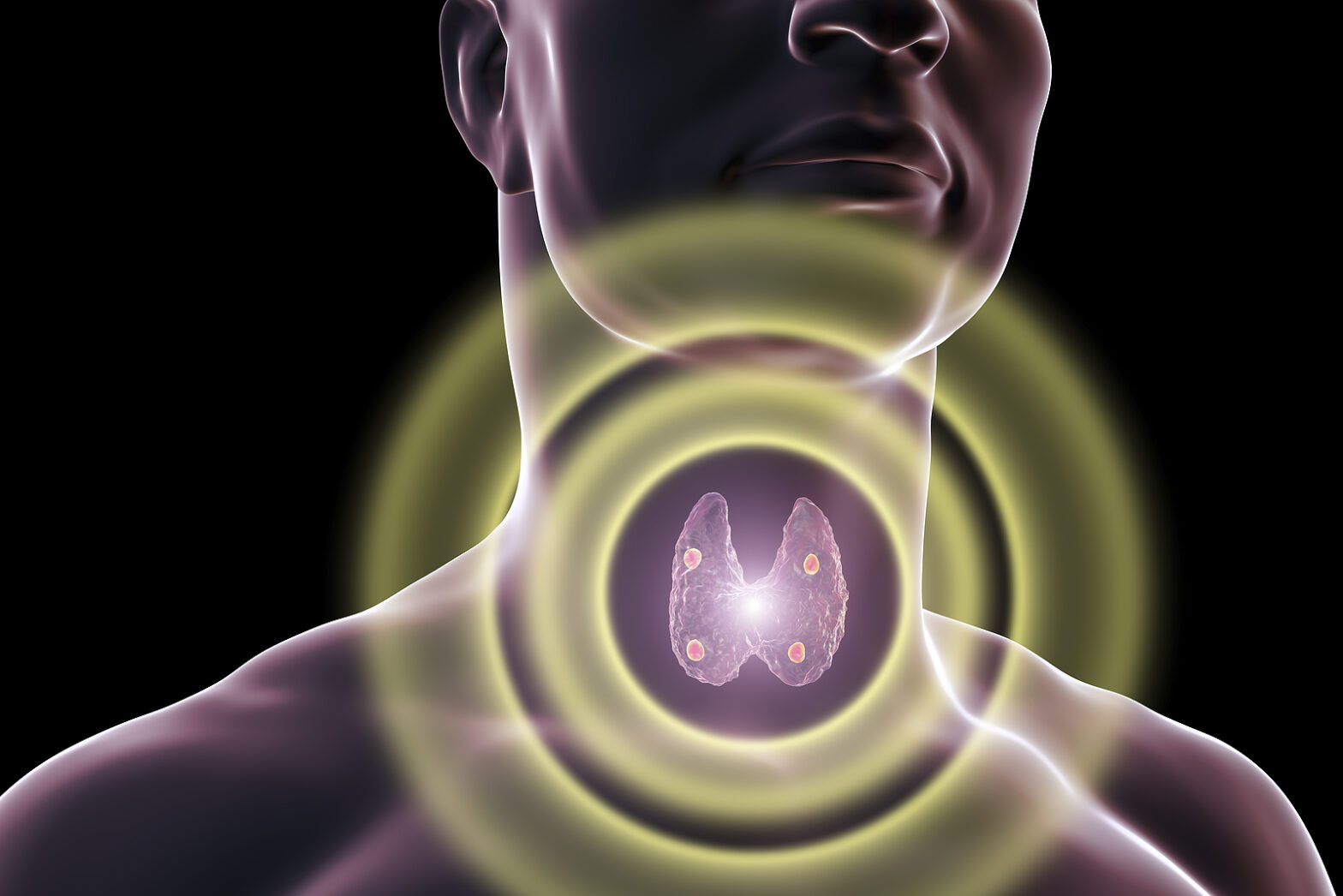
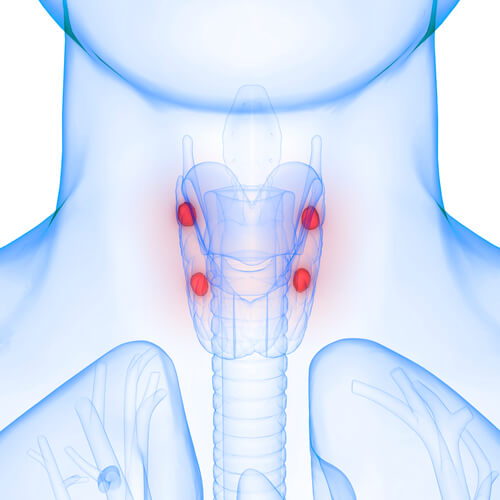
High Calcium in Your Blood: Could Your Parathyroid Be to Blame?

by Babak Larian | Parathyroid If your doctor is concerned that you have high calcium in your blood, you may feel confused. After all, many people — especially women — are encouraged to get more calcium, often through supplements. So how can high calcium levels in the blood suddenly be a problem? The answer lies in how your body regulates calcium, not how… Continue reading High Calcium in Your Blood: Could Your Parathyroid Be to Blame?


Sestamibi Scan for Parathyroid Disease

by Dr. Babak Larian | Parathyroid A sestamibi scan is used to evaluate the function of the parathyroid glands; these four glands are located in the neck and help manage the body’s calcium levels. To better understand the impact of a sestamibi scan, let’s examine this parathyroid gland assessment in detail. What Is a Sestamibi Scan? A sestamibi scan… Continue reading Sestamibi Scan for Parathyroid Disease

What Is Familial Hypocalciuric Hypercalcemia (FHH), and How Does It Differ from Primary Hyperparathyroidism (PHPT)?

Familial hypocalciuric hypercalcemia (FHH) can cause a few symptoms that also happen in primary hyperparathyroidism (PHPT). But, there are many differences between the two medical conditions. A medical evaluation is key for those who display symptoms of FHH and/or PHPT. After getting an evaluation, people can find out if either of these conditions are causing… Continue reading What Is Familial Hypocalciuric Hypercalcemia (FHH), and How Does It Differ from Primary Hyperparathyroidism (PHPT)?

Parathyroid Hormone (PTH) Testing: What Factors Can Affect Blood Calcium Levels?

Low or high blood calcium levels must be evaluated carefully during testing for hyperparathyroidism (HPT). Here are key factors that can impact the results of a parathyroid hormone (PTH) blood test. 1. Time of Day Research indicates PTH levels can start to rise after 6:00 p.m., reach their peak levels between 2:00 a.m., and fall… Continue reading Parathyroid Hormone (PTH) Testing: What Factors Can Affect Blood Calcium Levels?

Hyperparathyroidism vs. Hyperthyroidism

Hyperparathyroidism (HPT) and hyperthyroidism  sound similar, but there are many differences between these medical conditions. To better understand HPT and hyperthyroidism, let’s examine both conditions in detail. What Is Hyperparathyroidism? HPT affects one or more of the parathyroid glands, which help the body manage its calcium levels. The parathyroid glands produce parathyroid hormone (PTH), which… Continue reading Hyperparathyroidism vs. Hyperthyroidism

What Is a Parathyroid Localization Scan?

A parathyroid localization scan can be used to identify a defective parathyroid gland. The scan can play a vital role in the planning and surgical treatment of hyperparathyroidism (HPT).   Localization studies are purely used for locating the abnormal gland or glands, and not to diagnose hyperparathyroidism. What Is a Parathyroid Gland Scan? Localization scans can… Continue reading What Is a Parathyroid Localization Scan?

What Is the Normal Range for a PTH Blood Test?

The normal range for a parathyroid hormone (PTH) blood test is 14 to 65 pg/mL. To better understand what defines a normal range for a PTH blood test, let’s examine PTH testing in detail. Why Is a PTH Test Performed? A PTH test is used to measure the PTH level in the blood. It is… Continue reading What Is the Normal Range for a PTH Blood Test?

Bones, Moans, Groans, and Stones: Why Hyperparathyroidism Is Often Misdiagnosed

Hyperparathyroidism (HPT) can cause physical and emotional symptoms that can look virtually identical to those associated with many other medical conditions. Thanks to advanced testing, HPT symptoms can be diagnosed and treated faster and more effectively than ever before. How Is HPT Diagnosed? Initially, doctors would look for four symptoms to diagnose HPT: Bone fractures… Continue reading Bones, Moans, Groans, and Stones: Why Hyperparathyroidism Is Often Misdiagnosed

Accessibility: If you are vision-impaired or have some other impairment covered by the Americans with Disabilities Act or a similar law, and you wish to discuss potential accommodations related to using this website, please contact our Accessibility Manager at +1-310-461-0300.